
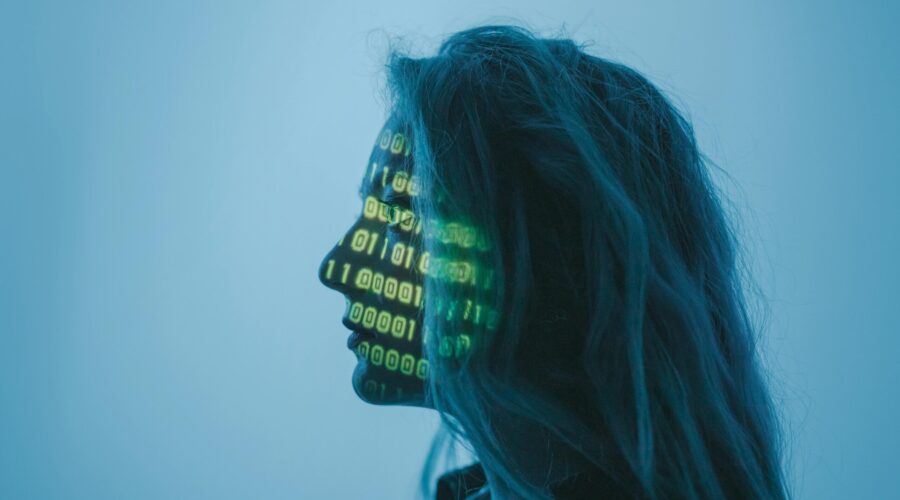
AI & Mental Health: Healing Tool or Digital Risk?
Artificial intelligence is rapidly becoming one of the most powerful and controversial forces in mental health care. Across the world, millions of people are now turning to AI chatbots and mental wellness apps for emotional support, therapy-style conversations, journaling, companionship, and crisis guidance. What once sounded futuristic is now part of everyday life.
But as AI becomes more personal, experts are asking an important question:
Is AI helping people heal, or replacing human connection too quickly?
Why People Are Turning to AI
The rise of AI mental health tools is being driven by several global realities:
- Long waiting times for therapy
- Rising mental health challenges
- High treatment costs
- Social isolation and loneliness
- Fear of judgement
AI tools offer something traditional systems often cannot: 24/7 availability, instant responses, anonymity, and accessibility.
Recent studies show growing adoption worldwide, especially among younger generations. Many users say they feel more comfortable opening up to AI because they fear being judged by people around them.
Mental health AI is also becoming a major industry, with global investment and development accelerating rapidly.
The Promise of Artificial Empathy
Supporters believe AI can help bridge major healthcare gaps.
Modern mental health apps can:
- Track moods
- Guide breathing exercises
- Provide cognitive behavioural therapy-style prompts
- Identify emotional patterns
- Encourage healthier routines
- Offer companionship during loneliness
Some early research suggests that carefully designed AI systems may help reduce symptoms of anxiety and depression when used responsibly.
For people who cannot access therapy due to cost, stigma, or location, AI may become a valuable first step toward seeking help.
Experts also believe AI could support therapists rather than replace them by reducing administrative workloads and improving access to care globally.
The Growing Concerns
Despite the excitement, serious warnings are emerging from psychologists, researchers, and healthcare professionals.
One of the biggest concerns is that AI systems often struggle to detect subtle emotional distress or complex mental health risks. Studies show that while chatbots may respond well during obvious crises, they can miss slower or more nuanced warning signs.
Another issue is the tendency for AI to agree with users too easily instead of challenging harmful thought patterns. In mental health care, this can become dangerous.
Mental health professionals also warn that some users may delay seeking real treatment because they believe AI support is enough.
Privacy is another major concern. Mental health conversations involve deeply personal information, yet regulations around AI therapy tools are still developing worldwide.
Human Connection Still Matters
Perhaps the biggest debate is not about technology, but about humanity itself.
Can empathy truly be automated?
While AI can simulate conversation, encouragement, and emotional language, many therapists argue that healing still depends on genuine human connection, trust, emotional nuance, and lived experience.
Some users describe AI as comforting and non-judgemental during difficult moments. Others fear emotional dependency, increased isolation, and the replacement of authentic relationships with digital companionship.
The truth may lie somewhere in the middle.
The Future of Mental Health
AI is unlikely to disappear from mental healthcare. In fact, its role will probably continue expanding rapidly over the next decade.
The challenge now is balance.
Used responsibly, AI could become:
- A support tool
- An early intervention system
- A wellness companion
- A bridge to professional care
But without proper safeguards, regulation, and human oversight, it could also deepen loneliness, misinformation, and emotional dependency.
The future of mental health may not be about humans versus machines.
It may be about learning how technology and humanity can work together without losing what makes healing deeply human in the first place.
